Models & Simulation — Types and Purpose
Why do engineers, scientists and planners use models instead of the real thing?
- Define a model and a simulation
- Classify models as physical, mathematical or computer-based
- Distinguish deterministic vs stochastic and discrete-event vs continuous simulations
Overview
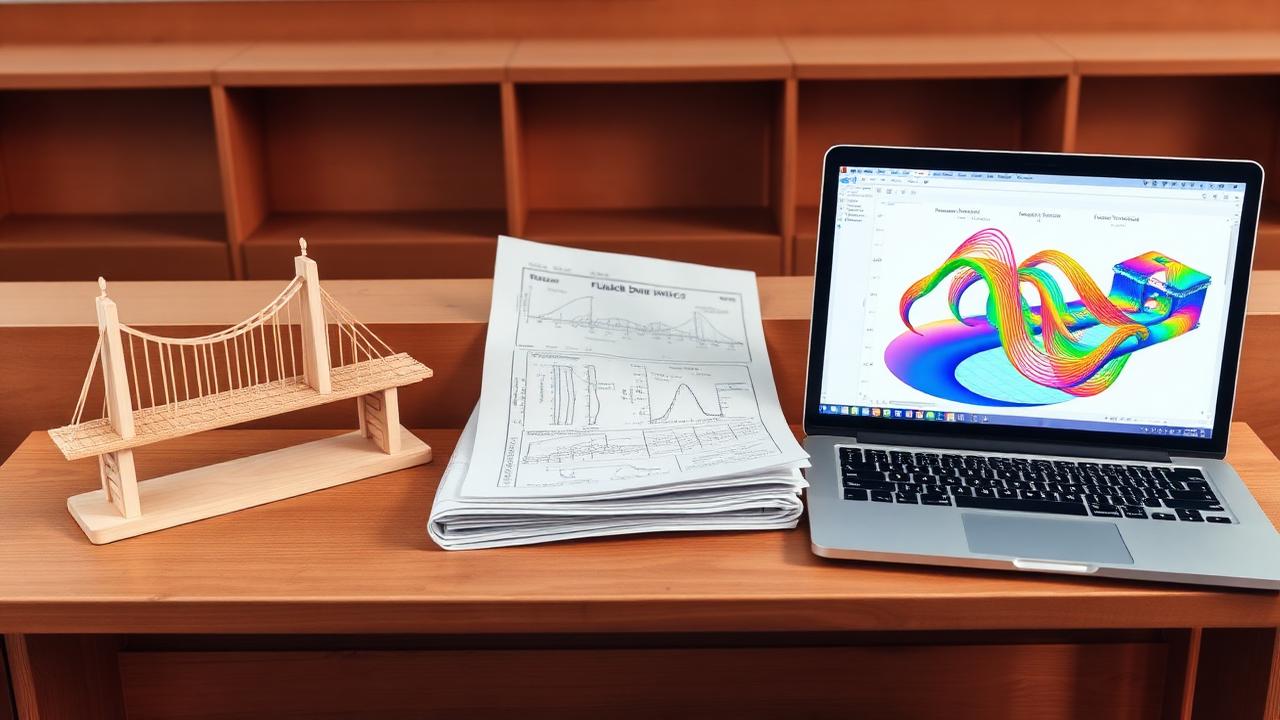
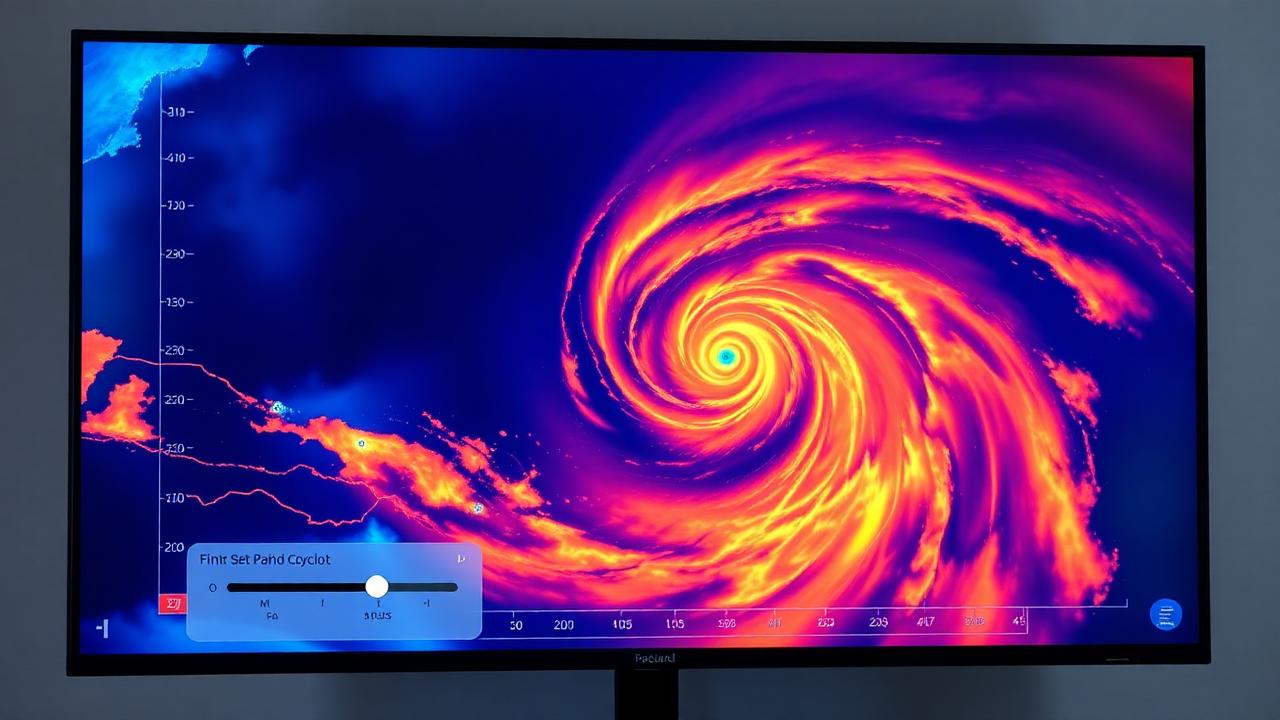
A model is a simplified copy of something real. A simulation runs a model over time to see what would happen. Weather forecasters, traffic planners in Port Moresby, and airlines all use simulations because doing the real experiment would be slow, dangerous, or impossibly expensive. This week we meet the main types of models and see when each is used.
Three families of models
We usually group models into three families based on what they are made of.
The three families are:
- Physical models: A real object built to scale — a model bridge, a plastic anatomy heart.
- Mathematical models: Equations that describe how something behaves — Ohm's law, projectile motion.
- Computer models: Software that combines many mathematical rules — climate models, traffic simulators.
Deterministic vs stochastic
A deterministic simulation always gives the same result for the same inputs (e.g. a projectile calculator). A stochastic simulation includes randomness — like a queue simulation where customer arrivals vary — and gives a slightly different result each run.
Discrete-event vs continuous
Discrete-event simulations jump from event to event (a customer arriving, a truck leaving). Continuous simulations update smoothly with time (water flowing through a pipe, temperature changing in a room).
Classify PNG examples
- In pairs, place each example on the correct family: PMV route planner, Sepik River flood model, model canoe, HR salary spreadsheet.
- Then decide whether each is deterministic or stochastic, and discrete or continuous.
- Report to the class with a one-line reason for each classification.
- What is the difference between a model and a simulation?
Reveal answer
A model is the simplified representation; a simulation is running that model over time.
- Is a projectile calculator deterministic or stochastic?
Reveal answer
Deterministic — same inputs give the same output.
- Give one PNG example where simulation is safer than the real experiment.
Reveal answer
Testing a flood plan for the Sepik or Ramu river before it happens.
Find one news story where a simulation was used to plan or predict something in PNG or the Pacific.